

Leopard Caves & Leopard Hills of Jawai
Learn about the leopard caves and granite hills of Jawai, how safari zones work, responsible wildlife viewing and Ghoomosa safari planning.
Jawai's leopard habitat is spread across granite hills, natural caves, village lands and conservation areas rather than one single 'Leopard Cave' attraction. Visitors should access the landscape only through responsible, locally permitted safari routes. Ghoomosa guides travellers on how the terrain creates natural shelters for wildlife.
Leopard Caves & Leopard Hills at a Glance
Overview of Leopard Caves & Leopard Hills
The iconic rocky terrain of Jawai is formed of monolithic granite hills and prehistoric boulder formations dating back over a billion years. Wind, rain and tectonic weathering have carved natural clefts, overhangs and deep cave chambers that provide optimal denning and daytime resting shelters for wild Indian leopards (Panthera pardus fusca).
Public scientific and conservation literature recognizes that leopard movement in Jawai extends seamlessly across hills, natural caves, scrub corridors and village boundaries rather than staying within a fenced national park.
To protect animal welfare and habitat integrity, Ghoomosa strictly avoids publicizing or pinning sensitive den GPS coordinates. This page provides travellers with essential educational context on geological habitat formations, responsible safari tracking, and verified ethical wildlife viewing.
Responsible Wildlife Note: Leopard and other wildlife sightings are never guaranteed and depend on natural animal movement, weather, route access, local forest regulations and operating conditions.
Why Visit Leopard Caves & Leopard Hills?
Understand how ancient granite geology creates natural sheltered caves for big cats
Observe wild leopards scanning their territories from sun-warmed boulder summits
Learn the intricate science of tracking with licensed local naturalist spotters
Experience unfenced wildlife conservation embedded organically with local human habitats
Exceptional telephoto photography opportunities against clean rock textures
Planning Your Visit to Leopard Caves & Leopard Hills
Where is Leopard Caves & Leopard Hills?
Leopard caves and hill ridges are distributed across multiple conservation zones in the Jawai-Bera-Sena-Perwa corridor of southern Rajasthan.
How far is Leopard Caves & Leopard Hills from Jawai Bandh?
Because safaris explore active territories dynamically, there is no single entrance or km marker. Vehicles depart directly from lodges and reach prime hills within 10 to 30 minutes.
Is Leopard Caves & Leopard Hills worth visiting?
Yes. This landscape is the primary reason wildlife enthusiasts worldwide travel to Jawai.
How much time is needed to visit?
Exploration takes place during standard 3-hour dawn (05:45 AM - 08:45 AM) or dusk (04:15 PM - 07:15 PM) safari drives.
Can Leopard Caves & Leopard Hills be combined with a leopard safari?
This is the core safari experience itself! It pairs naturally with Jawai Dam visits and Rabari village walks between game drives.
Nearby Attractions to Combine with Leopard Caves & Leopard Hills
Jawai Dam
Wetland landscape and crocodile viewing
Jawai Hills
Wider granite geological landscape
Rabari Village Experience
Coexistence culture
Signature Jawai Leopard Tracking Program
Maximize ethical sighting opportunities across dawn and golden hour dusk windows.
Pre-Dawn Tea & Naturalist Briefing
Briefing on tracking ethics, recent leopard movements and territorial routes.
Dawn Leopard Kopje Safari
Track leopards as they return from nocturnal patrols onto boulder perches.
Lodge Leisure & Dam Visit
Breakfast, relaxation by the pool, and midday crocodile observation.
Dusk Cave & Ridge Safari
Position vehicles for sunset silhouettes as big cats awaken for evening hunts.
Frequently Asked Questions
Where are the leopard caves in Jawai?
They are spread across natural boulder kopjes throughout the wider Jawai landscape. Ghoomosa strictly avoids publishing sensitive den GPS coordinates to protect wildlife.
Can I visit leopard caves without a safari?
No. Independent foot exploration into wildlife caves is dangerous and disruptive. All visits must be conducted via authorized 4x4 safaris with licensed local guides.
Are leopard sightings guaranteed?
No. Leopards are wild and move freely in an unfenced natural habitat. Sightings depend on animal movement, temperature and season.
Why is Jawai suitable for leopards?
The landscape combines natural cave shelters, year-round water sources, ample prey, and centuries of non-violent coexistence with pastoral communities.
Wilderness Resorts Near Leopard Caves & Leopard Hills
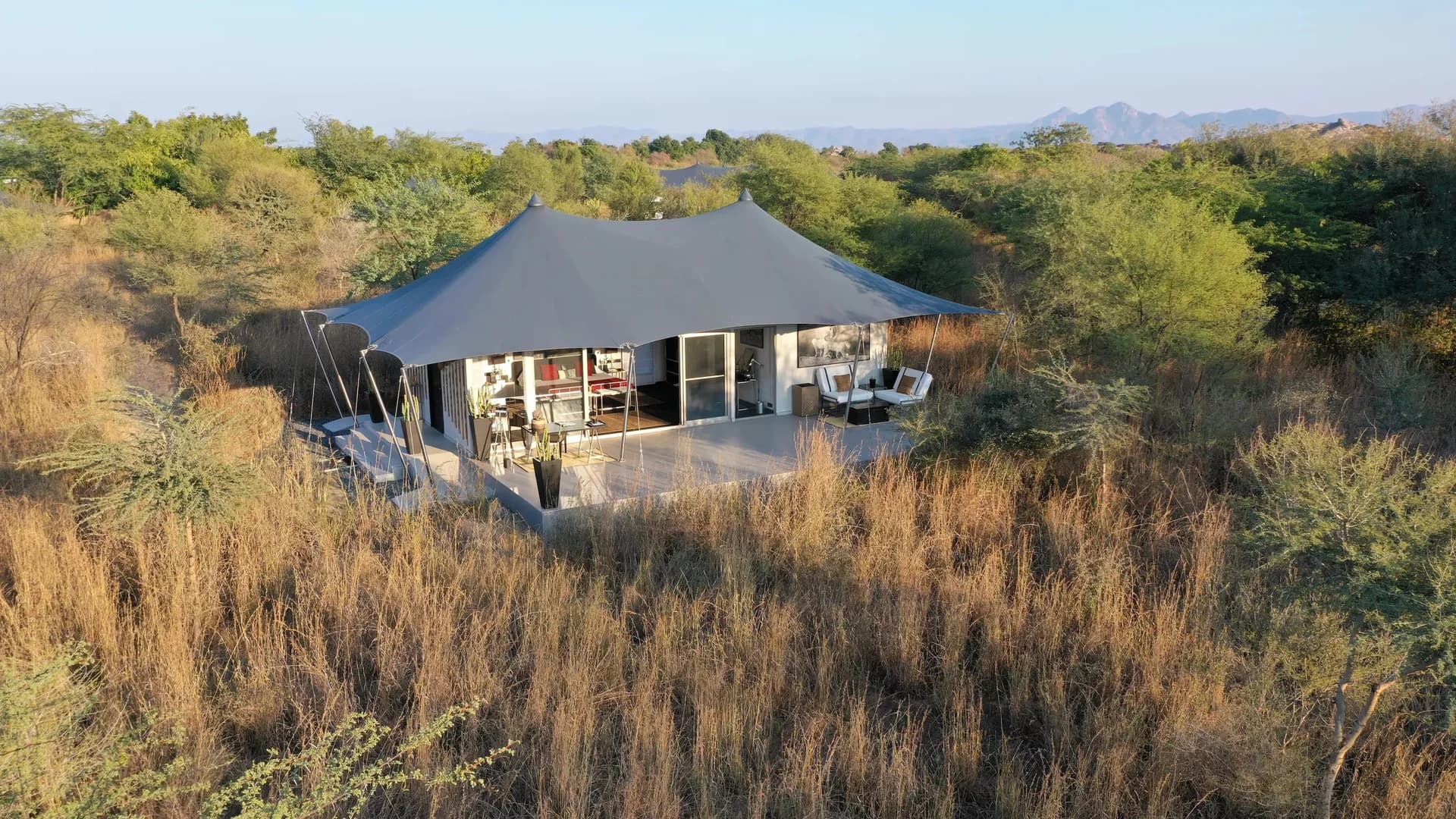 Ultra-Luxury Tented Camp
SUJAN JAWAI
Exclusive 10-tent conservation retreat with private pool suites and expert-guided wilderness drives.
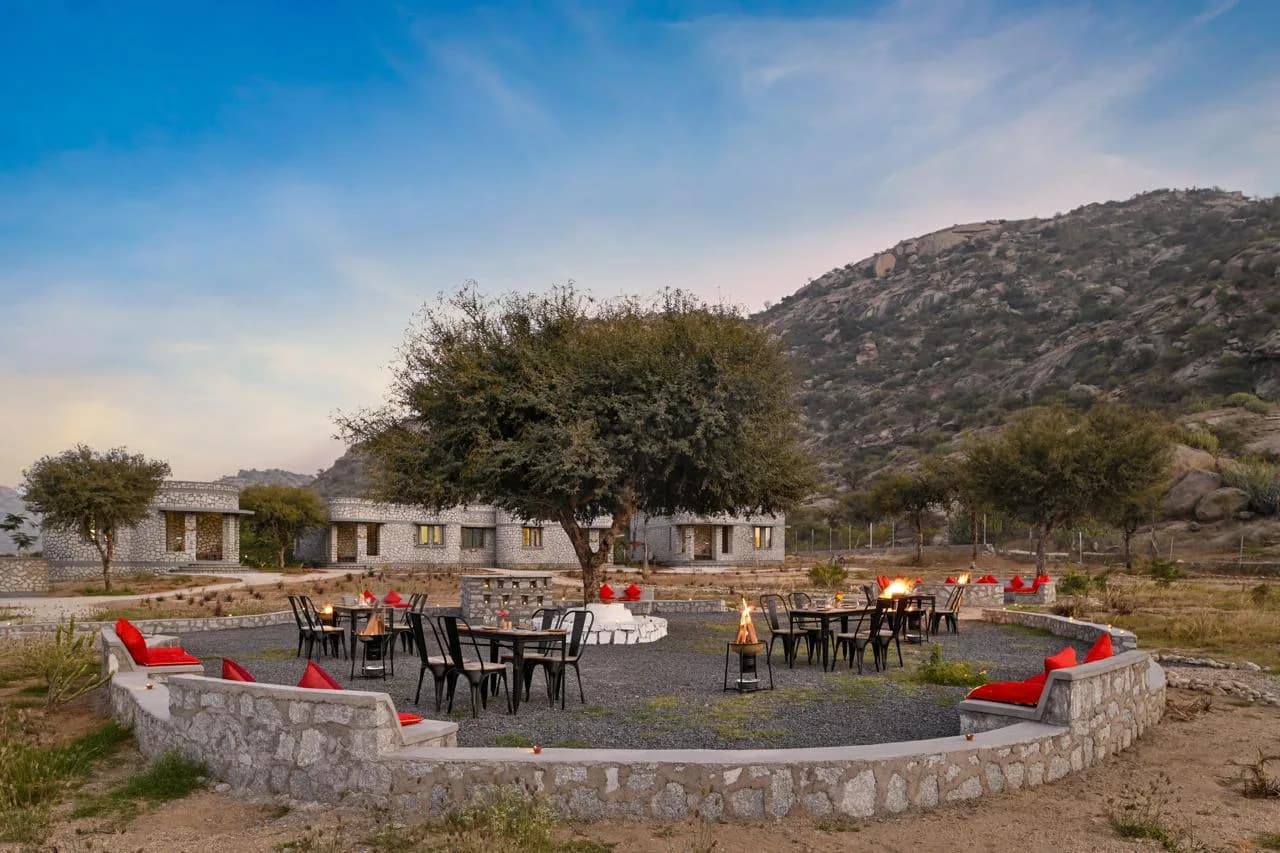 Private Pool Villas
J Wild Resort Jawai
11 private pool villas with mountain views and easy access to boulder safari kopjes.
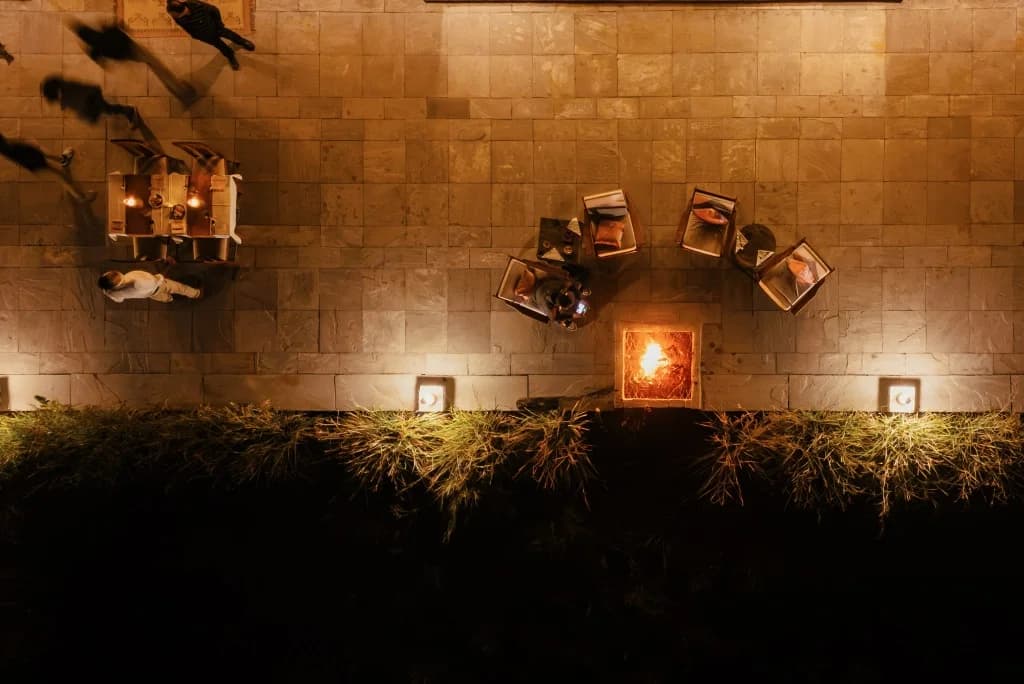 Boutique Safari Lodge
Bijapur Lodge Jawai
6 intimate suites (~550 sq. ft.) with organic farm-to-table dining and swimming pool.
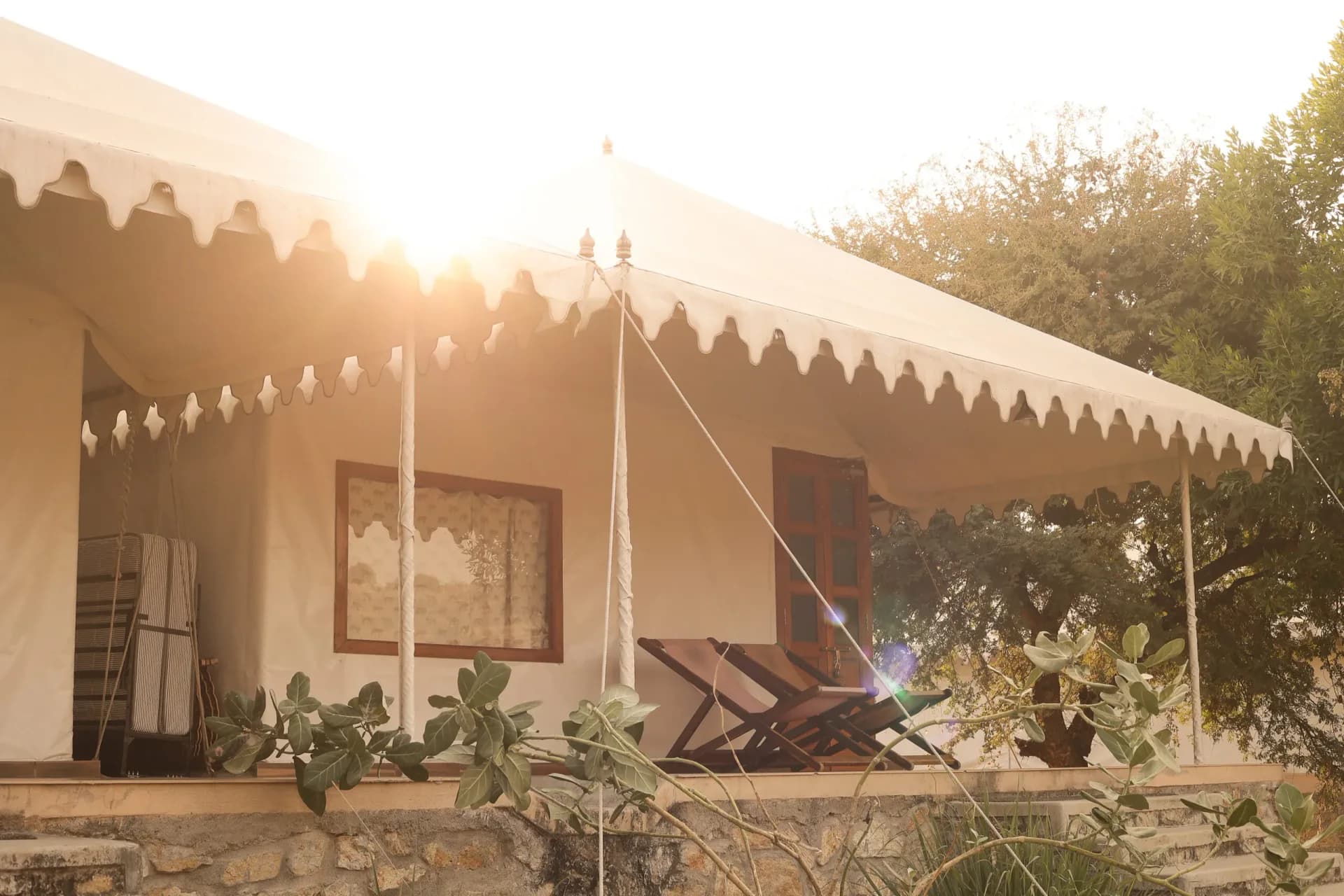 Cottages & Luxury Tents
Jawai Pugmark Safari Lodge
Nature-focused stay in Sena offering cottages, luxury tents, swimming pool, and high tea.
Plan Leopard Caves & Leopard Hills with Ghoomosa
Every Jawai trip is bespoke. Combine your visit to Leopard Caves & Leopard Hills with private 4x4 leopard safaris, handpicked luxury camps, local naturalists, and seamless regional road transfers.